• HOME
  • COMING SOON!
  • STYLING
  • THE FABRIC FILES
  • About
  • Contact
WILD MONARCHY

Styling // Creative direction// Collections by Nancy Steeman Styling

  • HOME
  • COMING SOON!
  • STYLING
  • THE FABRIC FILES
  • About
  • Contact

THE SILK FILES

We are all trying to make better choices.

Buy second hand, vintage and sustainable brands but the most sustainable option is to take care of what is already hanging in your closet. There is not a sexier feeling then your favorite silk slipdress hanging loosely around your body or your silk buttoned shirt catching a summer breeze.. Here some advice to keep your silk pieces feeling like this forever..
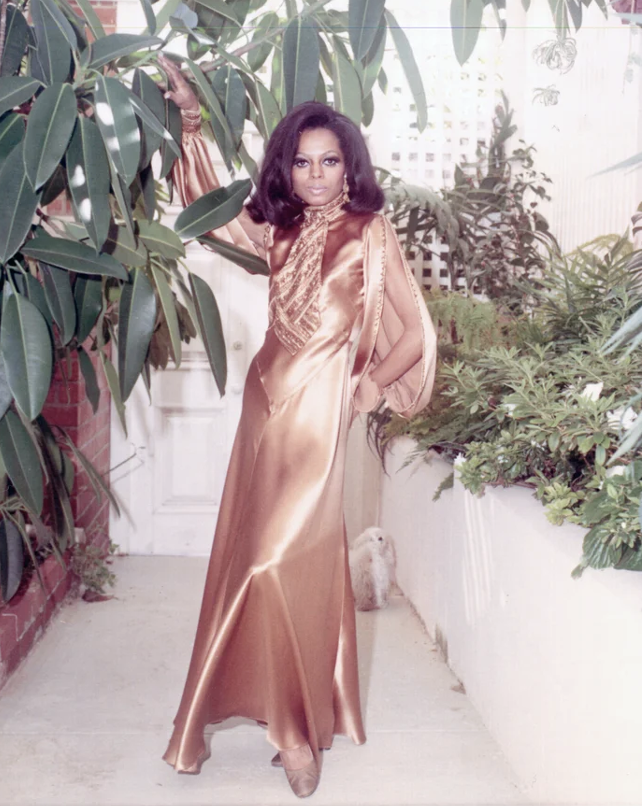
Diana Ross in her silk dress she designed for "Mahogany" in 1975

Washing Tips for Silk Clothes

 Hand Wash When Possible
Use lukewarm or cold water (never hot)
Choose a gentle, pH-neutral detergent (look for ones labeled for delicates or silk).
Gently agitate the garment in water—do not scrub or wring.

 Avoid Bleach & Harsh Detergents
These break down the silk fibers and cause discoloration.

Limit Soaking Time
Do not soak for more than 5–10 minutes. Over-soaking can weaken silk fibers.

 Rinse With Cool Water
Rinse thoroughly to remove all detergent residue.

Use a Vinegar Rinse (Optional)
Mix 1 tablespoon of white vinegar with 1 liter of cool water to help restore the silk’s shine and neutralize any detergent.

 Dry Flat & Away From Sunlight
Lay the garment on a clean, dry towel, roll it up to absorb excess water, then reshape and air dry flat.
Avoid direct sunlight, which can fade and weaken the fabric.
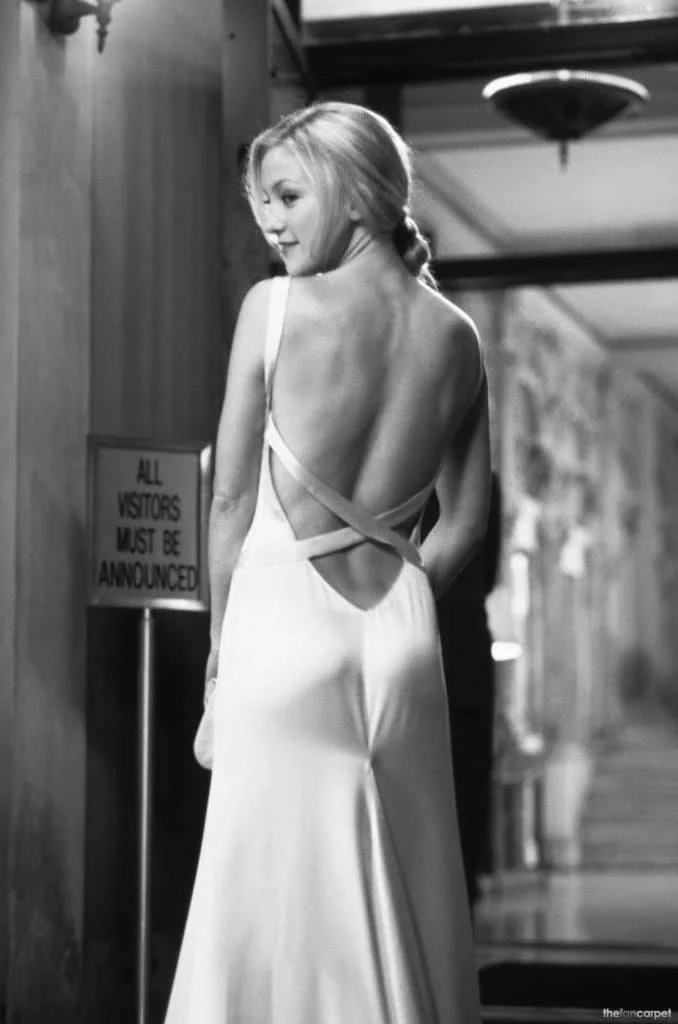
Kate Hudson in her iconic yellow satin dress as the character Andie Anderson in the 2003 film How to Lose a Guy in 10 Days

 Machine Washing Silk (Only If Label Allows)

·Use a mesh laundry bag.

·Set the machine to a delicate or silk cycle with cold
water.

·Avoid the spin cycle or use the lowest setting.


Ironing & Steaming Silk

·Iron on the reverse side while the fabric is still slightly damp.

·Use the lowest heat setting (often labeled “Silk”).

·Alternatively, use a garment steamer to gently remove wrinkles.
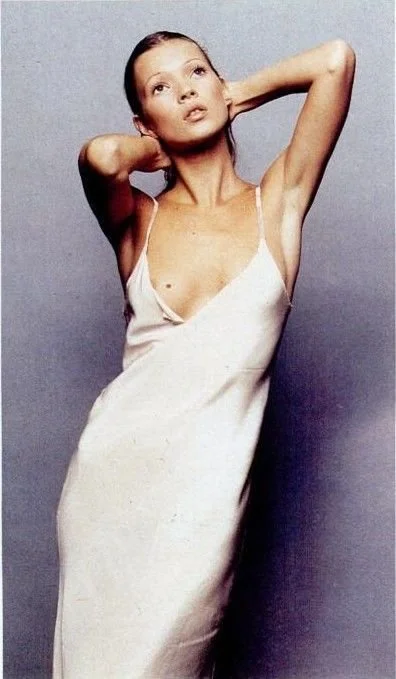
Kate moss 1990

Storing Tips for Silk Clothes

Store in a Cool, Dry Place
Avoid damp areas or places exposed to direct sunlight or heat.

Use Breathable Storage Materials
Use cotton garment bags instead of plastic to allow airflow and prevent yellowing.

Avoid Hanging for Long Periods
For heavy silk garments, fold them to prevent shoulder stretching. Use acid-free tissue paper between folds to prevent creasing.

Keep Away From Moths
Store with natural repellents like cedar blocks or lavender sachets.

Don’t Store Dirty
Even invisible oils (from skin or perfume) can degrade silk over time—always clean before storing.

Carrie Bradshaw in a white slip dress by Marc Jacobs, season 6, episode 6 of Sex and the City.

Sustainable options for traditional Silk

A sustainable alternative to traditional silk (which is made by boiling silkworms in their cocoons) includes a few innovative and eco-friendly options.

Here are the most notable ones:

Peace Silk (Ahimsa Silk)
What it is: Made from the same silkworm species as traditional silk, but the worms are allowed to emerge naturally from their cocoons.

Pros: More ethical; no killing of silkworms.
Cons: Lower yield, slightly rougher texture, more expensive.

Eri Silk

What it is: Harvested from the Samia ricini silkworm, which is not killed during production.

Pros: Ethical, durable, insulating. Cons: Less shiny than traditional silk, not suitable for all silk applications.


TENCEL™ (Lyocell)

What it is: A fiber made from sustainably sourced wood pulp (often eucalyptus or beech).

Pros: Biodegradable, soft, breathable, low environmental impact in production.
Cons: Doesn’t replicate the sheen and texture of silk exactly, but is often used as a vegan silk alternative.


Cupro (Cupra Rayon)

What it is: Made from cotton linter (a waste product of cotton production).

Pros: Silky feel, vegan, biodegradable. Cons: Still chemically processed; some concerns around manufacturing if not done responsibly.


Orange Fiber
What it is: A fabric made from citrus byproducts from the juice industry.

Pros: Vegan, sustainable, similar feel to silk, uses waste materials.
Cons: Still emerging, limited availability.

Bamboo Silk (Viscose from Bamboo) What it is: Processed bamboo pulp turned into rayon.

Pros: Soft, biodegradable, fast-growing source.
Cons: Chemical processing can be harmful unless closed-loop systems are used.


Spider Silk (Bioengineered)

What it is: Lab-grown silk made by genetically engineered yeast, bacteria, or even plants.

Brands: Bolt Threads’ “Microsilk,” Spider’s “Brewed Protein.”

Pros: No animals involved, high-performance properties.
Cons: Still in development or limited commercial scale; expensive.
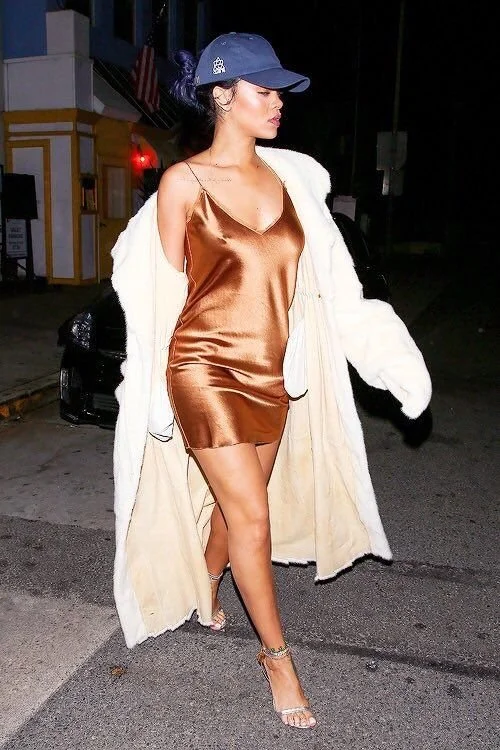
Rihanna

Any tips or tricks that you want to share on how you kept your silk fresh and gorgeous. Please do let us know, we love a good home remedy. Send a message at info@wildmonarchy.com or leave a comment below.  



Monday 04.13.26
Posted by Nancy Steeman
 

THE LEATHER FILES

THE LEATHER FILES

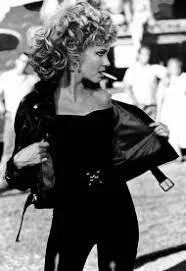
Leather. It instantly gives you a feeling. A sexy feeling, a baddy feeling and an iconic feeling. "Throw on that biker jacket and you feel like Sandy at the end of Grease (without the ‘I need to change my whole being for a boy’ part, but yes, that sexy feeling)."A rebel without a cause and maybe it even gives you a protective feeling as an armor would do. Throw on leather pants with biker boots and will give you the Angelina Jolie vibe from the 00’s. Leather pieces in your wardrobe are timeless pieces. So hereby WILD MONARCHY shares all the tips and tricks to make sure you can keep those items a lifetime. That is sustainable and a gift to your wallet.

Taking care of leather pieces is key to preserving its durability and looks for a life time! Leather is a natural material that, if maintained properly, can improve with age and becoming more supple. Here’s an overview and advice on how to care for your leather clothing to keep it in top condition for a lifetime.

OLIVIA NEWTON JOHN IN GREASE

Leather has been a staple material in fashion and design for centuries. From clothing to furniture, this versatile material is known for its durability and timeless appeal. In this blog post, we will delve into the world of leather and explore its various types, uses, and care tips.

What is Leather?

Leather is a natural material made from the skin of animals, primarily cattle. It is processed through a series of tanning and finishing techniques to create a durable and flexible material. Leather can vary in texture, thickness, and quality depending on the type of animal skin and tanning process used.


Hanging and Storing Leather Clothing

Hanging:                                                                                                                                 

Use Wide, Padded Hangers: Always hang leather garments on wide, padded hangers to prevent the leather from stretching or getting misshapen. Avoid wire hangers, which can leave marks or creases.                                                                                                        

Avoid Crowding: Leather needs some space to breathe. Don’t overcrowd your closet with too many garments, give it room to naturally hang and maintain its shape.                  

Store in a Cool, Dry Place: Store leather clothing in a well-ventilated, cool, and dry area. Avoid places with high humidity (like basements) or extreme heat (like radiators or direct sunlight) as these can cause leather to dry out, crack, or fade.

Storage When Not in Use:                                                                                                    

Use Garment Bags: For long-term storage, place your leather clothing in a breathable garment bag. Avoid plastic bags, which can trap moisture and cause mold growth.Keep Away from Direct Sunlight: Long-term exposure to sunlight can dry out and fade the leather. Store your garments away from windows where they might be exposed to UV rays.


Rotate Leather Garments: If you have multiple leather items, rotate them to avoid excessive wear on a single piece.

Don’t Overclean: Leather doesn’t need to be cleaned excessively. Overcleaning or over-conditioning can lead to premature wear, so stick to a regular cleaning and conditioning routine.

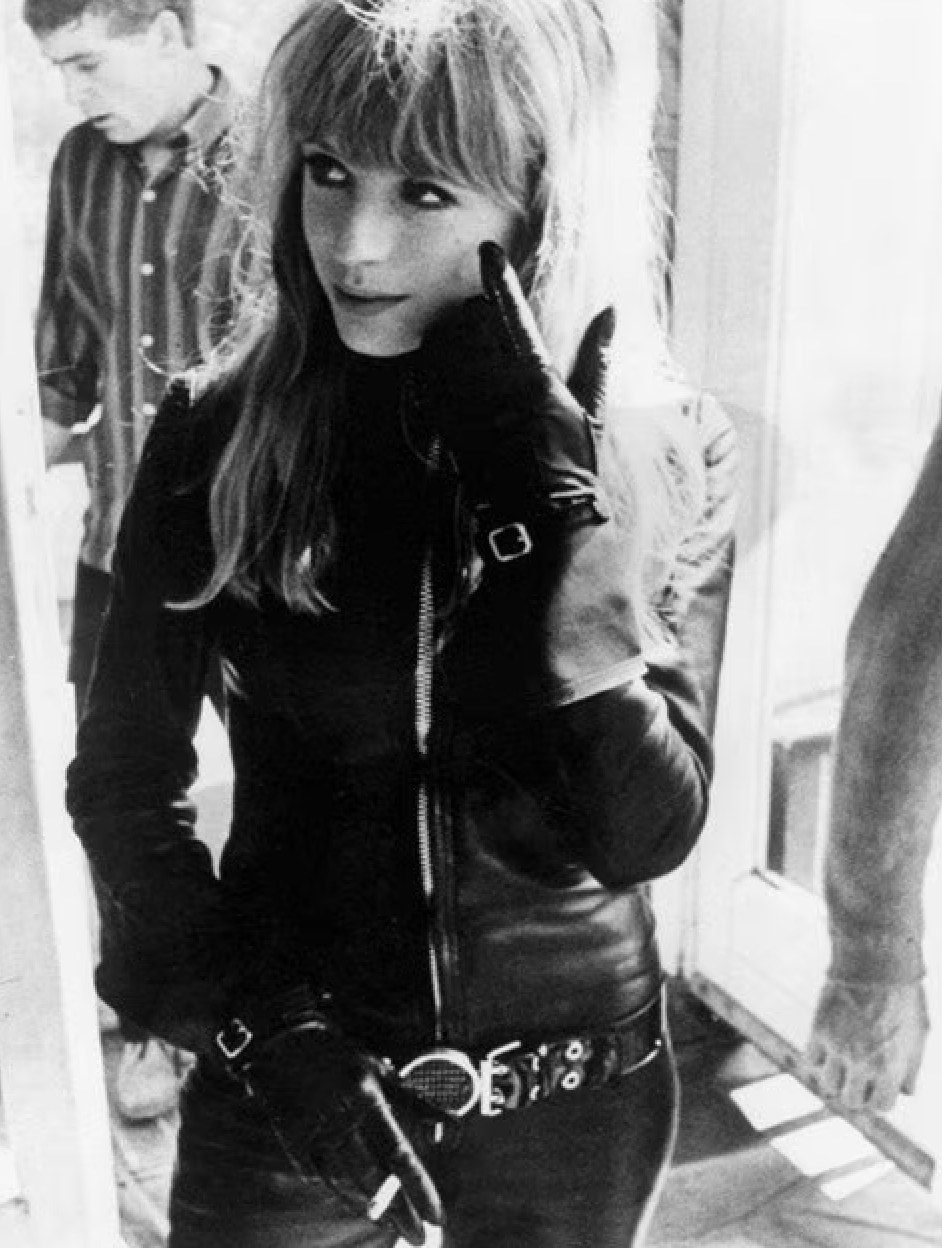
Marianne Faithfull on the set of the 1968 film The Girl on a Motorcycle

Cleaning Leather clothing                                                                             

Regular Cleaning:                                                                                                           

Dusting: Gently dust your leather garment with a soft, dry cloth or a brush designed for leather. Regular dusting prevents dirt from embedding into the leather’s pores.                  

Spot Cleaning: If you spill something on your leather, act quickly. Use a damp cloth to blot (not rub) the stain. For tougher stains, you can use a leather cleaner that’s suited to the specific type of leather you have. Always test the cleaner in a small, inconspicuous area first to ensure it doesn’t damage the color or texture.

Deep Cleaning:                                                                                                               

Leather Cleaner: For a more thorough cleaning, use a specialized leather cleaner. Apply a small amount to a soft cloth and rub gently in circular motions.                                          

Soap & Water: In case you don’t have a leather cleaner, you can use a small amount of mild soap (like baby shampoo) and lukewarm water. Never soak leather; always wring out excess moisture from your cloth and gently clean.                                                                        

Leather Wipes: Leather wipes can be handy for quick touch-ups, but ensure they're free from harsh chemicals like alcohol, which can dry out leather.

Avoid:                                                                                                                                   

Harsh Chemicals: Never use bleach, ammonia, or other harsh chemicals that can damage the leather.                                                                                                                                

Water: Leather is absorbent, so try to keep it dry. If your leather gets wet, dry it slowly by blotting with a soft cloth and letting it air dry naturally at room temperature (never use a hairdryer or direct heat source).

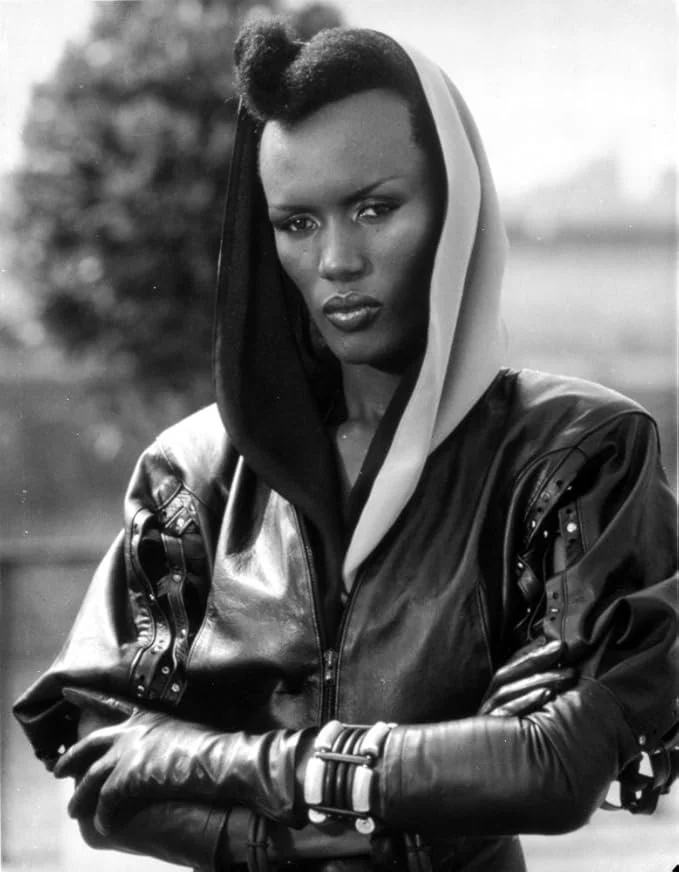
Grace Jones as the character May Day in the 1985 James Bond film A View to a Kill. 

Conditioning Leather clothing                                                                        

Use a Leather Conditioner: Leather needs moisture to stay soft and supple. Over time, leather can lose oils that help keep it flexible. To restore moisture, use a high-quality leather conditioner. Apply it sparingly with a soft cloth and let it soak in. It’s best to condition leather 2-3 times a year, or more frequently in dry climates.                                                     

Be Mindful of the Type of Leather: Different types of leather (e.g., suede, nubuck, full-grain) require different treatments. Make sure to use products suited to your leather type.

Dealing with Odors                                                                                          

Air It Out: Sometimes leather can develop a musty or unpleasant smell. To combat this, let it air out in a well-ventilated area, preferably outdoors, but avoid direct sunlight.              

Baking Soda: To absorb odors, you can place an open container of baking soda inside the garment or the storage bag overnight, then remove it.                                                  

Leather Fresheners: There are leather-specific fresheners that can help restore the scent without damaging the leather.

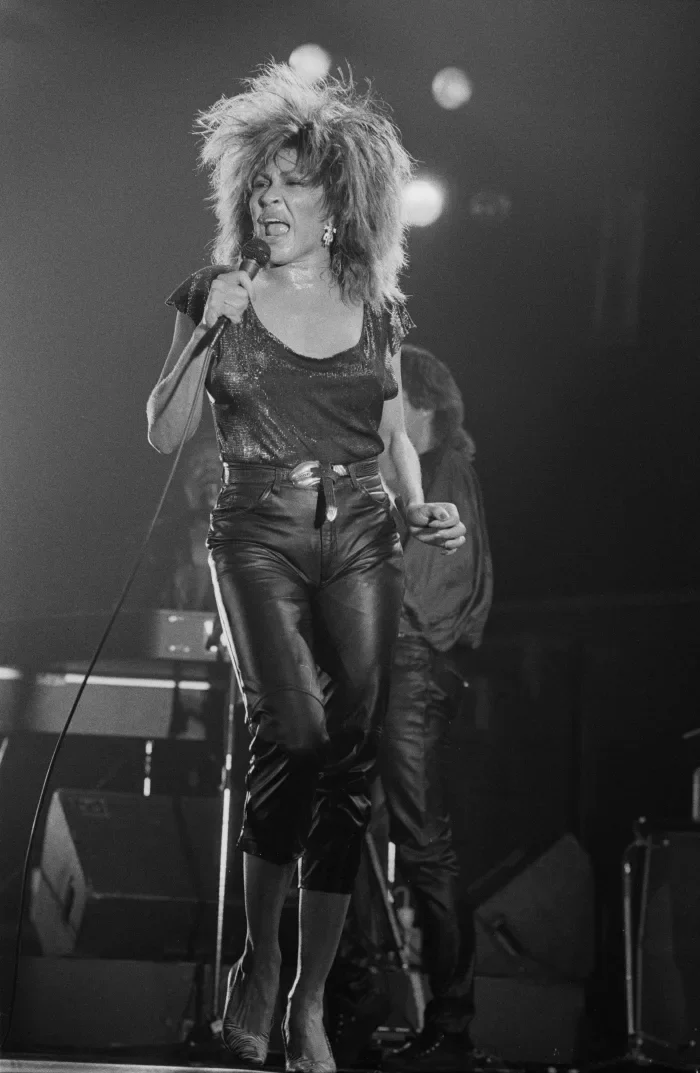
Tina Turner on stage 1984

Preventing Damage to Leather                                                                     

Avoid Rubbing or Scraping: Leather can develop unsightly marks if scratched or rubbed harshly. Avoid wearing jewelry that could scratch the surface and be mindful of rough surfaces.                                                                                                                               

Keep Away from Oils and Grease: Oils and grease can leave stains on leather. Be cautious of getting makeup, food, or other oily substances on your clothing. If it happens, clean it immediately.                                                                                                           

Waterproofing: If you live in a rainy area, consider using a leather waterproofing spray. These sprays create a protective barrier on the leather, helping to repel water. Make sure to choose one that’s designed specifically for leather.

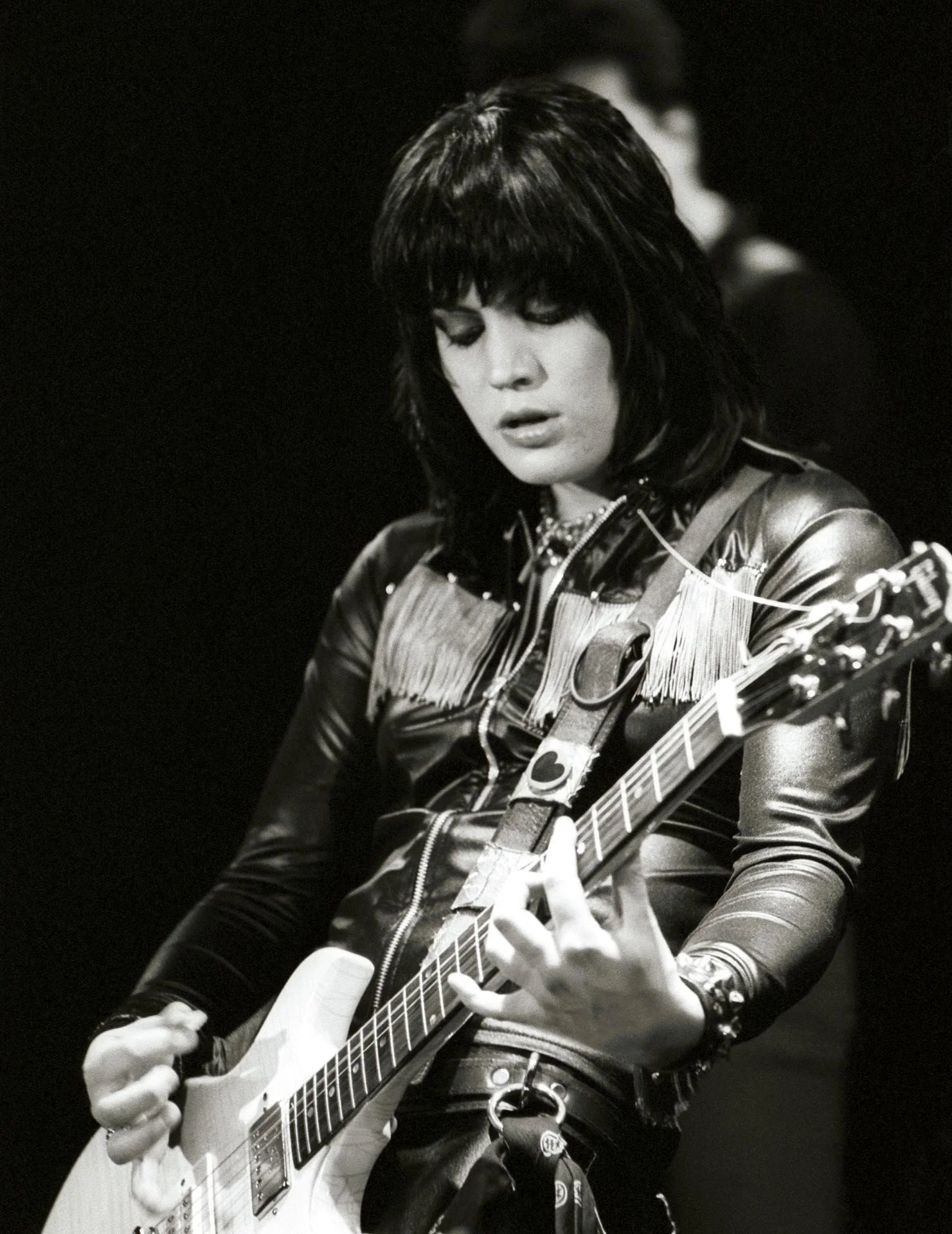
JOAN JETT

Repair and restoration                                                                                     

Small Scratches and Scuffs: For minor scratches, you can rub a small amount of leather conditioner onto the area to minimize the appearance of the mark. Over time, leather can “heal” itself as it absorbs the oil and softens.  

Professional Repair: If your leather clothing is severely damaged (e.g., deep cuts or large stains), it's best to take it to a professional leather repair service. They can restore the garment and ensure that the integrity of the leather remains intact.

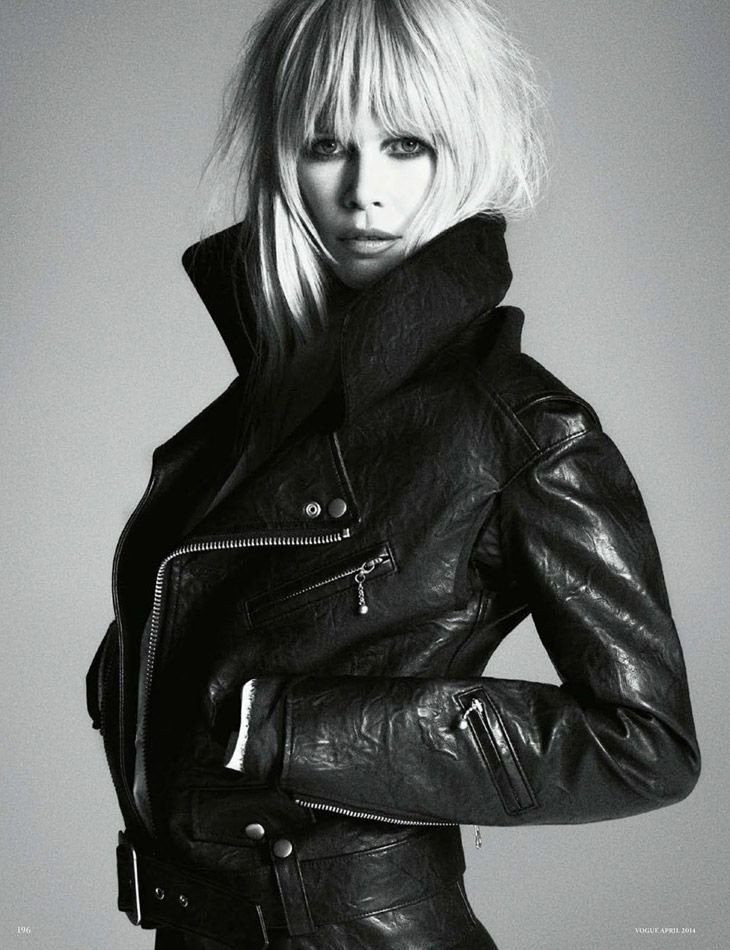
Claudia Schiffer, April 2014 issue of Vogue Germany by Luigi & Iango. 


Any tips or tricks that you want to share on how you kept your leather fresh and gorgeous. Please do let us know, we love a good home remedy. Send a message at info@wildmonarchy.com or leave a comment below.  



Monday 04.13.26
Posted by Nancy Steeman
 

Powered by Squarespace.